

Green Careers in Sustainable Agriculture & Food Systems

Do you care about how food is grown, where it comes from, and how it impacts people and the planet? This career sector includes jobs that produce healthy food, protect natural resources, support farmers and communities, and build a more resilient and equitable food system for everyone.

🍃Why choose this sector?

Sustainable Agriculture & Food Systems careers focus on producing food in ways that are good for people, animals, and the environment. People in these jobs improve soil health, conserve water, reduce waste, support local food economies, and create solutions to hunger and food insecurity.

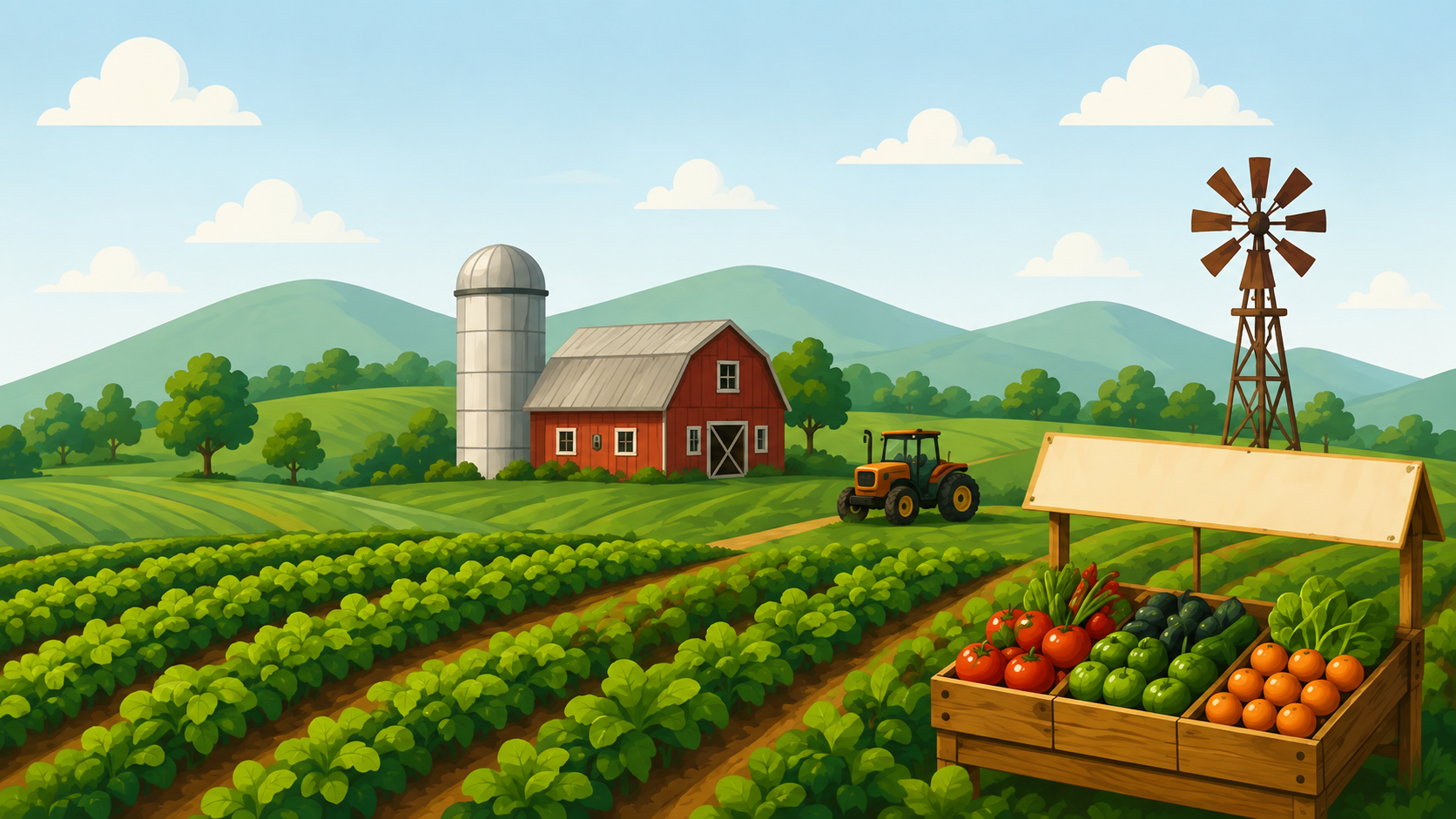
Illustration representing Green Careers in Sustainable Agriculture & Food Systems

🍃 Careers you can explore 🍃

⚙️ Skills you’ll build

Collaborative & Interpersonal Skills

  • Communication
  • Teamwork & collaboration
  • Problem solving
  • Critical thinking
  • Leadership
  • Adaptability
  • Initiative
  • Inquisitive

Technical & Applied Skills

  • Soil, crop, and food-system analysis
  • Agricultural equipment and technology
  • Supply-chain and logistics planning
  • Food safety and quality practices
  • Resource conservation
  • Data collection and farm-management tools

🎒 How to get started in high school

  1. Take classes like biology, environmental science, agriculture, chemistry, and nutrition.
  2. Join Future Farmers of America, gardening and recycling clubs, or other school and community organizations.
  3. Volunteer on farms, at food banks, community gardens, or farmers’ markets.
  4. Look for internships, summer programs, or job shadowing opportunities.
  5. Learn about local food issues and find ways to make a difference in your community.

🎓 Education pathways

There are many ways to build a career in sustainable agriculture and food systems:

  • High School: Biology, environmental science, agriculture, chemistry, nutrition, business, and hands-on programs such as Future Farmers of America.
  • Certificate / Apprenticeship: Sustainable agriculture, food safety, culinary or food production, horticulture, farm operations, or related technical training.
  • Associate Degree: Agriculture, agribusiness, food science, horticulture, environmental technology, or culinary and food systems programs.
  • Bachelor’s Degree: Agricultural science, food science, sustainability, environmental studies, economics, public policy, business, or supply chain management.
  • Master’s Degree: Food systems, agricultural economics, sustainability, public policy, food science, business, or related specialties for advanced leadership and analytical roles.
  • Doctoral / Professional Degree: Ph.D. programs in food science, agriculture, economics, sustainability, or policy for research and university careers; professional degrees may support specialized legal, business, or policy work.

🌎 Make an impact

Each degree level can lead to meaningful work in the food system:

  • Associate Degree: Work directly with crops, food production, testing, distribution, and farm technology as an agricultural technician, food-production specialist, or related technical professional.
  • Bachelor’s Degree: Improve food access, build local food networks, launch sustainable food businesses, manage food-waste programs, or analyze food-system sustainability.
  • Master’s Degree: Shape food policy, lead sustainability strategy, redesign supply chains, guide regional food systems, and develop large-scale solutions to food insecurity and environmental challenges.